
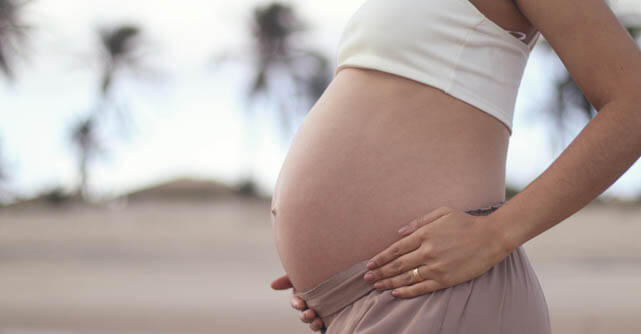
COVID-19 infection during pregnancy has raised concerns since the start of the pandemic. Earlier research showed that the virus could increase the risk of complications such as stillbirth, premature birth, and preeclampsia. Preeclampsia is a dangerous blood pressure disorder that threatens both the pregnant person and the developing fetus.
A recent international study suggests that COVID-19 vaccination may help reduce this risk. Researchers found that coronavirus infection increased the likelihood of preeclampsia by about 45 percent among pregnant participants compared with those who were not infected. The increase was even greater among people who were unvaccinated when they became infected. In that group, the risk rose by roughly 78 percent.
Vaccination appeared to offer meaningful protection. Participants who received the primary COVID-19 vaccination and stayed up to date with booster doses had a 33 percent lower risk of developing preeclampsia. The protective effect was even stronger among those with existing health conditions. Pregnant participants with illnesses such as diabetes or heart disease who received a booster saw their risk fall by about 58 percent.
What is Preeclampsia?
Preeclampsia is not a rare condition. It affects roughly 3 to 8 percent of pregnancies worldwide. The disorder usually appears during the second half of pregnancy or shortly after birth. Although many cases are manageable with medical care, severe forms can quickly become life-threatening.
The condition is defined by persistent high blood pressure and the presence of protein in urine, which signals kidney damage. Additional symptoms can include severe headaches, blurred vision, vomiting, and swelling in the face, hands, or feet. When these warning signs worsen, the disorder can harm multiple organs and disrupt blood flow to the placenta. This limits oxygen and nutrients reaching the fetus.
In its most severe form, preeclampsia progresses to a condition called eclampsia. Eclampsia involves serious neurological symptoms such as seizures, brain swelling, or coma. Without rapid treatment, the condition can be fatal for both the pregnant person and the fetus.
Scientists still do not fully understand what causes preeclampsia. Some evidence suggests problems during placental development may play a role. However, these abnormalities might be a result of the disorder rather than its origin. Researchers increasingly suspect that immune system changes and blood vessel damage also contribute to the disease.
Viral infections may be one trigger. COVID-19 can disrupt immune responses and damage the lining of blood vessels. These effects may help explain why infection appears to raise the risk of preeclampsia.
How Does Vaccination Reduce Risk?
Vaccination may reduce this danger in several ways. First, it lowers the chance of becoming infected with the coronavirus. Vaccinated individuals who do become infected often experience milder illness. Researchers also suspect that vaccination may help stabilize immune responses and protect blood vessel function during pregnancy.
The study supporting these findings was published in eClinicalMedicine. Researchers followed more than 6,500 pregnant participants from 18 countries between 2020 and 2022. About one third of participants received a COVID-19 diagnosis while pregnant.
Vaccination coverage varied among participants. Around 58 percent had not received a COVID-19 vaccine during the study period. Among those who were vaccinated, about 31 percent had received a booster dose in addition to the initial vaccination.
Overall pregnancy outcomes were better among vaccinated participants. They were less likely to experience premature birth, require admission to an intensive care unit, or face other serious complications.
The results align with other research published in 2024 that also found improved pregnancy outcomes among vaccinated individuals. Still, the study authors noted several limitations. Researchers did not consistently control for factors such as smoking history or chronic illnesses linked to preeclampsia risk.
Future studies will need to examine these factors more closely. Scientists also hope to better understand how COVID-19 vaccines influence immune responses during pregnancy. Even with these uncertainties, the findings add to growing evidence that vaccination can play an important role in protecting maternal and fetal health during infectious disease outbreaks.
Conclusion
COVID-19 infection raises the risk of preeclampsia during pregnancy. Vaccination lowers this risk and improves overall pregnancy outcomes. Researchers say vaccines protect mothers by preventing infection and reducing illness severity.
Have an upcoming trip? Passport Health offers a wide variety of options to help keep you safe from disease, including vaccines. Call or book online to schedule your appointment today.
Logan Hamilton is a health and wellness freelance writer for hire. He’s passionate about crafting crystal-clear, captivating, and credible content that elevates brands and establishes trust. When not writing, Logan can be found hiking, sticking his nose in bizarre books, or playing drums in a local rock band. Find him at loganjameshamilton.com.
 US - English
 CA - English
 Rest of World - English


Leave a Reply