

Travel Vaccines and Advice for Sri Lanka




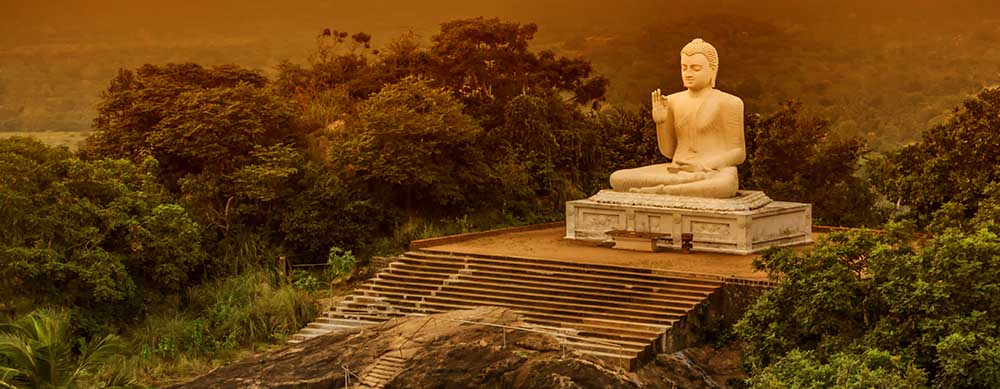
Sri Lanka is a gorgeous tropical island full of exotic flora and fauna. Its mountainous inner country has stunning vistas and panoramic views.
Its popularity in tourism is due to its versatility. For the outdoor adventurer, Sri Lanka offers endless natural beauty. For the cultural tourist, there are delicious local dishes and historical sites to explore.
On This Page:
Do I Need Vaccines for Sri Lanka?
Other Ways to Stay Healthy in Sri Lanka
Do I Need Vaccines for Sri Lanka?
Yes, some vaccines are recommended or required for Sri Lanka. The CDC and WHO recommend the following vaccinations for Sri Lanka: typhoid, hepatitis A, polio, yellow fever, Japanese encephalitis, rabies, hepatitis B, influenza, COVID-19, pneumonia, meningitis, chickenpox, shingles, Tdap (tetanus, diphtheria and pertussis) and measles, mumps and rubella (MMR).
See the bullets below to learn more about some of these key immunizations:
- Typhoid –
Food & Water –
Shot lasts 2 years. Oral vaccine lasts 5 years, must be able to swallow pills. Oral doses must be kept in refrigerator. - Hepatitis A –
Food & Water –
Recommended for most travelers. - Polio –
Food & Water –
Required if arriving from a region with polio transmission. Considered a routine vaccination for most travel itineraries. Single adult booster recommended. - Yellow Fever –
Mosquito –
Required if traveling from a country with risk of yellow fever transmission. - Japanese Encephalitis –
Mosquito –
Recommended depending on itinerary and activities. May be given to short- and extended-stay travelers, recurrent travelers and travel to rural areas. Throughout country, except mountainous regions. Peaks with monsoon rains. - Rabies –
Saliva of Infected Animals –
High risk country. Vaccine recommended for long-term travelers and those who may come in contact with animals. - Hepatitis B –
Blood & Body Fluids –
Recommended for travelers to most regions. - Influenza –
Airborne –
Vaccine components change annually. - COVID-19 –
Airborne –
Recommended for travel to all regions, both foreign and domestic. - Pneumonia –
Airborne –
Two vaccines given separately. All 65+ or immunocompromised should receive both. - Meningitis –
Direct Contact & Airborne –
Given to anyone unvaccinated or at an increased risk, especially students. - Chickenpox –
Direct Contact & Airborne –
Given to those unvaccinated that did not have chickenpox. - Shingles –
Direct Contact –
Vaccine can still be given if you have had shingles. - Polio –
Food & Water –
Considered a routine vaccination for most travel itineraries. Single adult booster recommended. - TDAP (Tetanus, Diphtheria & Pertussis) –
Wounds & Airborne –
Only one adult booster of pertussis required. - Measles Mumps Rubella (MMR) –
Various Vectors –
Given to anyone unvaccinated and/or born after 1957. One time adult booster recommended.
See the table below for more information:
Recommended Travel Vaccinations for Sri Lanka |
||
| VACCINE | HOW DISEASE SPREADS | DETAILS |
|---|---|---|
| Typhoid | Food & Water | Shot lasts 2 years. Oral vaccine lasts 5 years, must be able to swallow pills. Oral doses must be kept in refrigerator. |
| Hepatitis A | Food & Water | Recommended for most travelers. |
| Polio | Food & Water | Required if arriving from a region with polio transmission. Considered a routine vaccination for most travel itineraries. Single adult booster recommended. |
| Yellow Fever | Mosquito | Required if traveling from a country with risk of yellow fever transmission. |
| Japanese Encephalitis | Mosquito | Recommended depending on itinerary and activities. May be given to short- and extended-stay travelers, recurrent travelers and travel to rural areas. Throughout country, except mountainous regions. Peaks with monsoon rains. |
| Rabies | Saliva of Infected Animals | High risk country. Vaccine recommended for long-term travelers and those who may come in contact with animals. |
| Hepatitis B | Blood & Body Fluids | Recommended for travelers to most regions. |
Routine Vaccinations for Sri Lanka |
||
| VACCINE | HOW DISEASE SPREADS | DETAILS |
|---|---|---|
| Influenza | Airborne | Vaccine components change annually. |
| COVID-19 | Airborne | Recommended for travel to all regions, both foreign and domestic. |
| Pneumonia | Airborne | Two vaccines given separately. All 65+ or immunocompromised should receive both. |
| Meningitis | Direct Contact & Airborne | Given to anyone unvaccinated or at an increased risk, especially students. |
| Chickenpox | Direct Contact & Airborne | Given to those unvaccinated that did not have chickenpox. |
| Shingles | Direct Contact | Vaccine can still be given if you have had shingles. |
| TDAP (Tetanus, Diphtheria & Pertussis) | Wounds & Airborne | Only one adult booster of pertussis required. |
| Measles Mumps Rubella (MMR) | Various Vectors | Given to anyone unvaccinated and/or born after 1957. One time adult booster recommended. |
Specific Vaccine Information
- Typhoid – Typhoid fever, caused by Salmonella Typhi, is a serious illness transmitted through contaminated food and water. Prevention strategies include vaccination as well as practicing strict hygiene and safe food handling.
- Hepatitis A – Contagious hepatitis A, caused by the hepatitis A virus (HAV), spreads through contaminated food, water, or close contact. Prevention involves vaccination and practicing good hygiene, particularly when traveling to high-risk areas.
- Japanese Encephalitis – Japanese encephalitis is a viral brain infection spread by mosquito bites, mainly in rural parts of Asia. It can cause neurological damage and is potentially fatal. The Japanese encephalitis vaccine, given in a series of injections, effectively prevents the disease by stimulating the immune system to produce protective antibodies against the virus.
- Rabies – Rabies is a deadly viral disease affecting mammals, including humans, primarily transmitted through bites or scratches from infected animals. Vaccination is key to preventing rabies, with pre-exposure shots effectively preventing infection.
- Hepatitis B – Hepatitis B prevention relies on vaccination as the most effective measure, recommended for all travelers and critical for healthcare workers. Practicing safe sex and using sterile equipment for body modifications are also key in reducing transmission risks.
- Measles, Mumps, Rubella (MMR) – Measles, mumps, and rubella (MMR) are viral infections with distinct symptoms. They spread through respiratory droplets and close contact. Vaccination is the most effective way to prevent MMR infections, with the MMR vaccine offering protection against all three diseases.
In the capital city of Colombo, there are six hospitals, including four with emergency trauma care. But, outside of Colombo, medical care can be more difficult to get. You should bring any necessary special medication with you.
See our vaccinations page to learn more about these infections and vaccines. Ready to protect yourself? Book your travel health appointment today by calling or schedule online now.
Other Ways to Stay Healthy in Sri Lanka
Prevent Bug Bites in Sri Lanka
Mosquitoes on the island spread Zika, and sand flies carry leishmaniasis in some areas. Bug bite prevention is the only real defense against.
Use an EPA-registered insect repellent containing DEET, picaridin or IR3535, and reapply it throughout the day. Wear long sleeves and pants when you can, and treat clothing and gear with permethrin before you leave. Sand flies are smaller than mosquitoes and can slip through a loosely woven bed net. A fine-mesh net matters if you are staying somewhere rustic without air conditioning or window screens.
CDC packing guidance for Sri Lanka also flags malaria as a risk in some parts of the country, though the destination does not currently carry a dedicated malaria prevention recommendation. If your itinerary includes rural travel, a Passport Health travel specialist can help you decide whether antimalarial medication is worth adding to your plan.
Food and Water Safety in Sri Lanka
Travelers’ diarrhea, hepatitis A and typhoid are the most common food and water related risks in Sri Lanka. All three spread through what you eat and drink.
Stick to bottled or properly treated water, and skip ice unless you know it was made from purified water. Use bottled water to brush your teeth. Heavy rains can flood streets and fields, and wading through that floodwater or handling contaminated soil raises your risk for illness. Rinse off and cover any cuts or scrapes after contact with either.
Food should be served hot and fully cooked. Skip raw vegetables and fruit you have not peeled yourself, and be cautious with unpasteurized dairy and dishes that sit out at room temperature. Street food in Sri Lanka is popular and often delicious, but stalls with high turnover and visibly clean prep areas are the safer bet.
Passport Health offers the hepatitis A and typhoid vaccines recommended for most travelers to Sri Lanka, along with guidance on avoiding travelers’ diarrhea while you are there.
Altitude Sickness in Sri Lanka
Altitude sickness, or acute mountain sickness (AMS), stems from inadequate oxygen at high elevations, causing symptoms like headaches and nausea. Preventing AMS involves gradual ascent, hydration, and potential medication use. Should AMS symptoms develop, swift descent to lower altitudes, rest, and medical evaluation are essential for recovery and safety.
Infections To Be Aware of in Sri Lanka
- Dengue – Spread through the bite of an infected mosquito, dengue is a year-round risk across Sri Lanka. Watch for high fever, joint pain or a rash during or after your trip, and see a doctor right away if symptoms appear.
- Hantavirus – This virus spreads through contact with rodent droppings, urine or saliva, often by breathing in contaminated dust in enclosed spaces. Avoid sleeping in rodent-infested buildings and don’t handle or feed wild rodents during rural stays.
- Leishmaniasis – It is spread by the bite of an infected sand fly. It can cause skin sores that are slow to heal or more serious internal illness. Sand fly nets have finer mesh than standard mosquito nets.
- Leptospirosis – This bacterial infection spreads through contact with fresh water, soil or food contaminated by infected animal urine. It is one of two food and water related risks the CDC flags for Sri Lanka. Flooding after heavy rain raises exposure. Avoid wading through floodwater, and cover any open cuts before you are near it.
- Melioidosis – Found in soil and fresh water, melioidosis spreads through skin contact, inhaling contaminated dust or drinking contaminated water. Heavy rain increases the risk. It is the second food and water borne illness on the CDC list for Sri Lanka. Bandage any open cuts or scrapes before contact with soil or standing water after storms.
- Tuberculosis (TB) – TB spreads through the air when someone with an active infection coughs, speaks or sings. Long stays or extended time in crowded indoor spaces, like hospitals, carry the highest exposure risk for travelers.
- Zika – Zika spreads mainly through mosquito bites. An infected pregnant traveler can pass the virus to their unborn baby, which can cause serious birth defects. Anyone who is pregnant or might become pregnant should talk to a doctor before traveling to Sri Lanka.
Customer Reviews
Passport Health – Travel Vaccines for Sri Lanka
“I called Passport Health to find out what I needed for a trip to Sri Lanka. Right there, they looked at my file and told me my vaccines were fine, and listed the meds I should take with me. They immediately called my pharmacy and 1 hour later I was all set. Fabulous!”
“I was very impressed with the knowledge of the nurse and the amount of information I was given about traveling to Sri Lanka.”
“Passport Health has an amazing clinic… comprehensive, gracious and thorough. AND, the price was surprisingly reasonable for such a great service, with my personal folder on Sri Lanka (my destination) and the information on what to look out for and how to avoid complications. I’m very satisfied.”
“Excellent information given about what is recommended for our upcoming travel plans to Sri Lanka. Very informative, knowledgeable staff.”
“My daughter and I had a great experience in your clinic. Your nurse was on time and very thoughtful and helpful. She shared her genuine excitement with us about my daughter’s upcoming travels to Sri Lanka. We left feeling prepared and informed and excited about her trip. Thank you!”
 US - English
 CA - English
 UK - English
 Rest of World - English


