
Sometimes, the solution to a problem is simpler than it first appears. The real barrier may not be the difficulty of the issue itself, but failing to recognize an obvious answer. People often step away, take a short walk, or sleep on a problem. After a reset, what once seemed complex can suddenly feel clear and manageable.
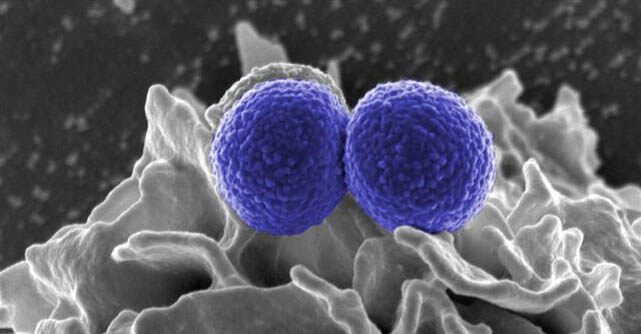
Recent research suggests a similar kind of breakthrough in medicine. Scientists have identified an unexpected but straightforward weapon against one of the most dangerous antibiotic-resistant bacteria. A common blood pressure medication can fight methicillin-resistant Staphylococcus aureus, better known as MRSA.
What is MRSA?
MRSA is a form of staph bacteria that has adapted to survive many common antibiotics. Antibiotic resistance is one of the most serious health threats in the world today. In the United States alone, resistant infections cause nearly 3 million illnesses and more than 35,000 deaths each year. MRSA remains a major part of that crisis.
The bacteria were once thought to spread mainly in hospitals and healthcare settings. However, MRSA now appears in schools, gyms, homes, and other community spaces as well. It can cause skin infections, pneumonia, and life-threatening bloodstream infections.
One reason MRSA is so difficult to treat is its ability to form biofilms. Biofilms are slimy protective layers that help bacteria attach to surfaces. These barriers also shield bacteria from immune attacks and many drug treatments. That makes infections harder to eliminate and raises the risk of repeat infections.
What Are the Findings?
Instead of trying to invent an entirely new antibiotic, researchers explored whether an existing medication could be repurposed. Their focus was the bacterial cell membrane, the outer surface that controls what enters and exits the cell.
They found that candesartan cilexetil, a widely used blood pressure medication, showed a strong ability to damage MRSA cell membranes. This was a surprising discovery because the drug was originally designed for heart and blood pressure care, not bacterial infections.
The researchers reported that candesartan cilexetil disrupted MRSA cells at multiple stages of development. It also interfered with other important cell functions. Just as importantly, the medication helped prevent biofilms from forming in the first place.
That combination could make MRSA far easier to treat. Without an intact membrane or protective biofilm, the bacteria become more exposed, weaker, and less able to spread.
There is another major advantage to this approach. Candesartan cilexetil is already an approved medication. As such, the path toward clinical testing for new uses may be faster and less expensive than developing a brand-new antibiotic from scratch.
Much more research is still needed before this drug could become a standard MRSA treatment. Scientists must confirm safety, dosage, and effectiveness in human trials. Still, the findings offer hope at a time when antibiotic resistance continues to grow.
Sometimes the best answer is not hidden in something new. Sometimes it is waiting in plain sight.
Conclusion
Researchers found that a common blood pressure drug may help kill dangerous MRSA bacteria. The medication damages bacterial defenses and may stop protective biofilms from forming. Because the drug already exists, it could reach future treatment use faster.
Have an upcoming trip? Passport Health offers a wide variety of options to help keep you safe from disease, including vaccines. Call or book online to schedule your appointment today.
Logan Hamilton is a health and wellness freelance writer for hire. He’s passionate about crafting crystal-clear, captivating, and credible content that elevates brands and establishes trust. When not writing, Logan can be found hiking, sticking his nose in bizarre books, or playing drums in a local rock band. Find him at loganjameshamilton.com.


Leave a Reply