
Auto-Brewery Syndrome sounds fictional, but it is a real medical condition. The rare illness causes people to feel drunk after eating normal foods. This intoxication can happen even when no alcohol is consumed.
The disease, often shortened to ABS, remains poorly understood. Many people live with symptoms for years without diagnosis or treatment. Overall awareness among clinicians and the public remains very limited.
A new study reinforced and expanded previous findings on ABS. Researchers analyzed stool samples from 22 people with confirmed ABS. They compared results with symptom-free household partners.
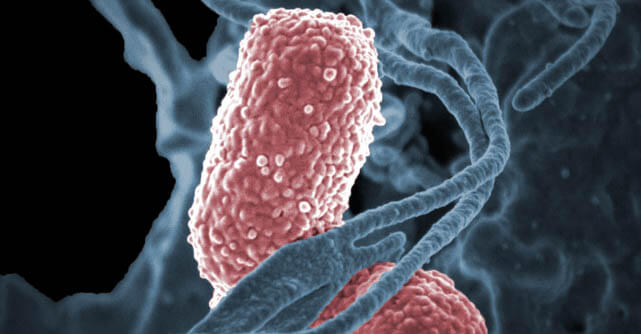
The study found excessive ethanol production in affected individuals’ stool. Two bacteria appeared consistently across ABS samples, Klebsiella pneumoniae and Escherichia coli.
Why Is this Important?
A 2019 study first pointed to a possible microbial cause. Researchers identified Klebsiella pneumoniae as a likely culprit. This gram-negative bacterium can cause pneumonia and other serious infections.
Klebsiella pneumoniae can also produce ethanol during digestion. That discovery helped explain intoxication without alcohol intake. Still, the earlier research left many unanswered questions.
This new comparison controlled for shared diets and living environments. Earlier studies did not always account for these factors. That made the new findings more reliable and informative.
Both ABS-causing bacteria can ferment carbohydrates into ethanol inside the gut. E. coli is especially common worldwide and causes frequent stomach illness. Its presence may help explain broader health effects.
Auto-Brewery Syndrome is frequently dismissed or misunderstood by doctors. Many patients report not being believed when describing symptoms. Some physicians assume patients are secretly drinking alcohol.
The consequences for people with ABS can be severe. Chronic ethanol exposure may lead to long-term liver damage. Patients also face relationship strain and legal problems.
What Developments Are Next?
The study revealed how gut bacteria drive ethanol production. Specific bacterial activity increased during symptom flare-ups. This helped clarify the biological basis of intoxication.
One patient showed dramatic improvement after a stool transplant. Doctors transferred healthy gut bacteria into the patient. Symptoms improved and remained controlled for over sixteen months.
Fecal microbiota transplants aim to reset the gut ecosystem. They can replace harmful microbes with beneficial ones. This approach has helped treat other gastrointestinal diseases.
Researchers suggest future ABS treatments may target the microbiome. Diet changes, probiotics, or microbial transplants could help. Introducing healthier bacteria may reduce ethanol production.
Other approaches may focus on bacterial genes linked to ethanol creation. Adjusting gene activity could reduce alcohol production internally. These methods remain experimental but show promise.
Researchers noted ABS may not always be bacterial. Some cases may involve fungal or yeast overgrowth. That means treatment may need personalization.
The study sample included people with unusually severe symptoms. However, earlier research found milder cases linked to diabetes. Fatty liver disease may also result from ethanol-producing bacteria.
These findings raise questions about ABS prevalence worldwide. Many people may experience symptoms without diagnosis. Milder cases could be overlooked entirely.
The study highlights the gut microbiome’s influence on whole-body health. Microbes can shape metabolism, disease risk, and organ damage. Auto-Brewery Syndrome illustrates this connection dramatically.
Conclusion
Auto-Brewery Syndrome causes gut bacteria to produce alcohol inside the body. New research links the condition to ethanol-producing bacteria. The findings suggest microbiome-based treatments may help prevent serious health consequences.
Have an upcoming trip? Passport Health offers a wide variety of options to help keep you safe from disease, including vaccines. Call or book online to schedule your appointment today.
Logan Hamilton is a health and wellness freelance writer for hire. He’s passionate about crafting crystal-clear, captivating, and credible content that elevates brands and establishes trust. When not writing, Logan can be found hiking, sticking his nose in bizarre books, or playing drums in a local rock band. Find him at loganjameshamilton.com.
 US - English
 CA - English
 Rest of World - English


Leave a Reply