
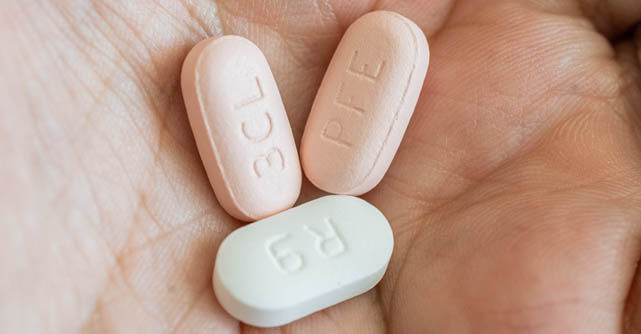
Early hopes around a treatment can change once stronger evidence appears. Sometimes benefits are smaller than first believed. Other times the real value is different than expected.
New research suggests Paxlovid may not lower hospitalization or death rates in certain vaccinated high-risk adults. However, it may still help people recover faster. The findings came from two randomized controlled trials, considered a strong form of medical evidence. Researchers studied people who had received COVID-19 vaccines and were still considered at higher risk for complications.
What Are the Findings?
The trials took place in the United Kingdom and Canada. Together, they included more than 4,000 participants. Most had been vaccinated against COVID-19. Every participant had symptoms for fewer than five days when treatment began. That timing matters because antivirals often work best early in infection.
Participants were randomly assigned into two groups. One group received standard medical care plus Paxlovid. The other group received standard care alone. This design helps researchers compare outcomes fairly and reduce bias.
Patients in the studies were considered high-risk for several reasons. Many were over age 50. Others were younger adults with health conditions linked to worse COVID-19 outcomes. These included illnesses such as Asthma and Diabetes.
The results showed little difference in the most serious outcomes. In one trial, the reduction in hospitalization or death was only 0.1 percent. In the other, the difference was 0.6 percent in favor of Paxlovid. Those numbers suggest the drug did not meaningfully reduce those risks in this specific vaccinated high-risk group.
Yet the medicine still showed possible benefits. In a subgroup of 634 participants, Paxlovid lowered viral load, meaning less virus was detected in the body. That may help explain why recovery improved.
Researchers found Paxlovid increased the odds of early sustained recovery by 36 percent in one trial and 31 percent in the other. In practical terms, some people taking the drug got better sooner and stayed better. For people eager to shorten illness and return to normal life, that may still be meaningful.
Many participants also reported side effects, which is important when weighing treatment choices. Like many medicines, benefits must be balanced against drawbacks.
These findings help clarify Paxlovid’s role in the current stage of the pandemic. For vaccinated high-risk adults, the drug may not strongly cut hospitalization or death risk. But it may still shorten illness, reduce viral burden, and ease recovery. That makes it less of a miracle cure and more of a targeted tool.
Conclusion
Paxlovid did not meaningfully lower hospitalization or death rates in vaccinated high-risk adults in two new trials. It did appear to lower viral load and help some people recover faster. The findings suggest Paxlovid may be more useful for shortening illness than preventing severe outcomes in this group.
Have an upcoming trip? Passport Health offers a wide variety of options to help keep you safe from disease, including vaccines. Call or book online to schedule your appointment today.
Logan Hamilton is a health and wellness freelance writer for hire. He’s passionate about crafting crystal-clear, captivating, and credible content that elevates brands and establishes trust. When not writing, Logan can be found hiking, sticking his nose in bizarre books, or playing drums in a local rock band. Find him at loganjameshamilton.com.


Leave a Reply