
Antibiotic resistance is one of humanity’s oldest ongoing biological battles. This struggle began long before humans created modern antibiotic medicines. Today, bacteria are gaining ground while antibiotics steadily lose effectiveness worldwide. Now, one out of six bacterial infections shows some resistance. Antibiotic-resistant bacteria cause more than four million deaths each year.
Human antibiotic use increases the speed of resistance development in bacteria. However, this battle is also unfolding in an unexpected place: the soil. Soil ecosystems have hosted antibiotic competition for thousands of years.
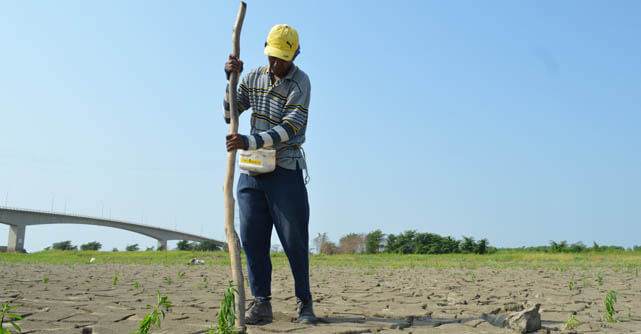
Researchers studied how environmental changes might influence antibiotic resistance patterns. They discovered that drought conditions can increase resistance in soil bacteria. This finding suggests soil resistance may contribute to human bacterial infections.
How is Soil Linked to Resistance?
As soil becomes drier, antibiotic compounds become more concentrated within it. Normally, water dilutes antibiotics, reducing their strength and overall impact. When soil dries, bacteria face stronger and more frequent antibiotic exposure. This repeated exposure pushes bacteria to develop stronger resistance over time..
To test this theory, researchers collected soil samples from multiple regions. Samples came from the United States, China, and Europe across diverse environments. These locations helped represent global patterns in soil and climate conditions.
The results showed that drier soils contain more antibiotic resistance genes. In many cases, these were also antibiotic-producing genes within soil bacteria. Gene presence increased as drought conditions lasted longer in each region. When bacteria produce antibiotics, weaker strains often die off quickly. The remaining bacteria are those already resistant to these powerful compounds.
Researchers reexamined soil samples and confirmed higher resistance in drier environments. They also created controlled experiments using artificial soil ecosystems for testing. In these experiments, scientists added antibiotics directly into the artificial soil. When the soil dried, antibiotic concentrations increased significantly within the system. Non-resistant bacterial strains were nearly eliminated under these drought conditions.
Antibiotic-producing bacteria survived because they resist their own chemical defenses. This survival pattern mirrors what researchers observed in natural soil environments. The findings suggest drought creates ideal conditions for resistant bacteria to dominate.
However, how soil resistance affects human infections remains an open question. Scientists are still investigating how resistance genes move into human pathogens.
Some evidence suggests a connection between soil bacteria and hospital infections. Researchers found similar resistance genes in both soil and hospital bacteria samples. In one case, a resistance gene matched perfectly between both environments. This finding suggests possible transfer pathways, though the exact mechanism remains unclear. Injuries involving soil exposure may allow bacteria to enter human systems.
Researchers also tested other factors linked to antibiotic resistance worldwide. Lower-income regions often show higher resistance due to limited healthcare resources. Poor sanitation and reduced infection control contribute to faster bacterial spread. However, even in high-income regions, drought still correlated with resistance levels. This indicates environmental dryness plays an independent role in resistance development.
The hospital data used in this research covered 116 countries worldwide. This broad dataset strengthens the link between environment and resistance patterns.
Overall, the findings reveal a hidden environmental driver of antibiotic resistance. Drought conditions may quietly shape bacterial evolution on a global scale. Understanding this process could help guide future strategies to fight resistant infections.
Conclusion
Drought can make soil antibiotics stronger, helping resistant bacteria survive. These resistant bacteria may share genes with human infections worldwide. Understanding this link could help slow rising antibiotic resistance globally.
Have an upcoming trip? Passport Health offers a wide variety of options to help keep you safe from disease, including vaccines. Call or book online to schedule your appointment today.
Logan Hamilton is a health and wellness freelance writer for hire. He’s passionate about crafting crystal-clear, captivating, and credible content that elevates brands and establishes trust. When not writing, Logan can be found hiking, sticking his nose in bizarre books, or playing drums in a local rock band. Find him at loganjameshamilton.com.
 US - English
 CA - English
 Rest of World - English


Leave a Reply