
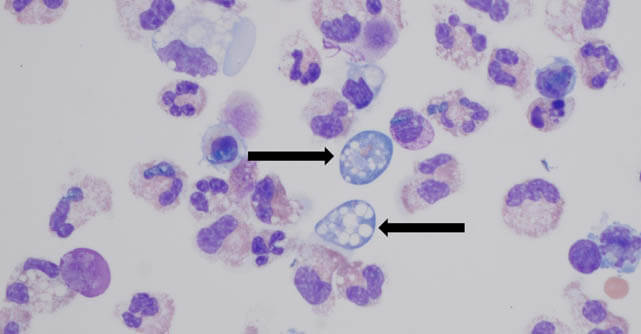
A major mistake in any fight is underestimating a dangerous opponent. Researchers now warn the public about obscure microbes called free-living amoebas. These pathogens are extremely hard to kill and increasingly common worldwide.
Free-living amoebas naturally thrive in soil, freshwater, and many water systems. They survive intense heat, chlorine exposure, and harsh chemical water treatments. This resilience allows them to persist where other microbes would die.
Why Does This Matter?
Most free-living amoebas cause no illness in humans under normal conditions. However, a small group can cause severe disease and sudden death. These rare infections make the organisms especially concerning for public health.
The most notorious example is Naegleria fowleri, often called “brain-eating amoeba”. This amoeba causes a rare but almost always fatal brain infection. Infections progress quickly and leave little opportunity for effective treatment.
People become infected when contaminated water enters the nose. This exposure typically happens during swimming or water recreation. The amoeba then travels directly to the brain through nerve pathways.
Researchers warn that danger extends beyond direct amoeba infections alone. Free-living amoebas can hide bacteria and viruses inside their cells. This behavior is known as the “Trojan horse effect” by scientists.
By sheltering other microbes, amoebas protect them from environmental threats. Chlorine, disinfectants, and immune defenses may not reach hidden pathogens. This makes infections harder to detect, treat, and prevent early.
What’s Causing the Surge?
The study was published recently in the journal Biocontaminant. Researchers examined environmental trends linked to rising amoeba presence. Their findings suggest multiple systems are failing at the same time.
Climate change is a major factor driving amoeba expansion worldwide. Warmer temperatures create new habitats suitable for amoeba survival. Regions once too cold are becoming increasingly vulnerable.
Aging and poorly maintained water infrastructure worsens the risk further. Broken pipes and stagnant systems allow microbes to multiply unnoticed. Disinfection processes may fail against organisms with extreme resistance.
The researchers also point to weakened disease monitoring efforts globally. Many regions lack routine testing for rare or emerging waterborne threats. Without surveillance, outbreaks may go undetected until severe illness appears.
Several recent outbreaks have been linked to recreational water exposure. Cases have appeared across multiple countries and climate zones.
Free-living amoebas usually remain invisible until severe symptoms emerge. Early signs often resemble common infections, delaying accurate diagnosis. By the time identification occurs, treatment options may be limited.
The study’s authors emphasize the need for a One Health approach. This strategy links human health, environmental systems, and infrastructure management. Addressing only one area will not reduce overall risk effectively.
Improved water treatment methods are a key recommendation. Systems must account for organisms that survive standard disinfection.
Researchers also call for expanded disease surveillance and diagnostic tools. Faster detection could save lives by enabling earlier medical intervention. Public awareness may also reduce risky water exposure behaviors.
As climates warm, free-living amoebas will likely continue spreading. Their resilience gives them advantages over many other microorganisms. Ignoring this threat could allow rare infections to become more frequent. The study serves as a warning against complacency in microbial risk.
Conclusion
Free-living amoebas are tough microbes spreading as climate change reshapes environments. They resist water treatment and can hide dangerous pathogens inside their cells. Researchers urge better surveillance, stronger infrastructure, and safer water management worldwide.
Have an upcoming trip? Passport Health offers a wide variety of options to help keep you safe from disease, including vaccines. Call or book online to schedule your appointment today.
Logan Hamilton is a health and wellness freelance writer for hire. He’s passionate about crafting crystal-clear, captivating, and credible content that elevates brands and establishes trust. When not writing, Logan can be found hiking, sticking his nose in bizarre books, or playing drums in a local rock band. Find him at loganjameshamilton.com.
 US - English
 CA - English
 Rest of World - English


Leave a Reply