
Most people recognize the flu through familiar symptoms like fever and fatigue. Others rely on nasal swab tests to confirm infection with the influenza virus. But a third, unusual way of sensing the flu may soon arrive: tasting it.
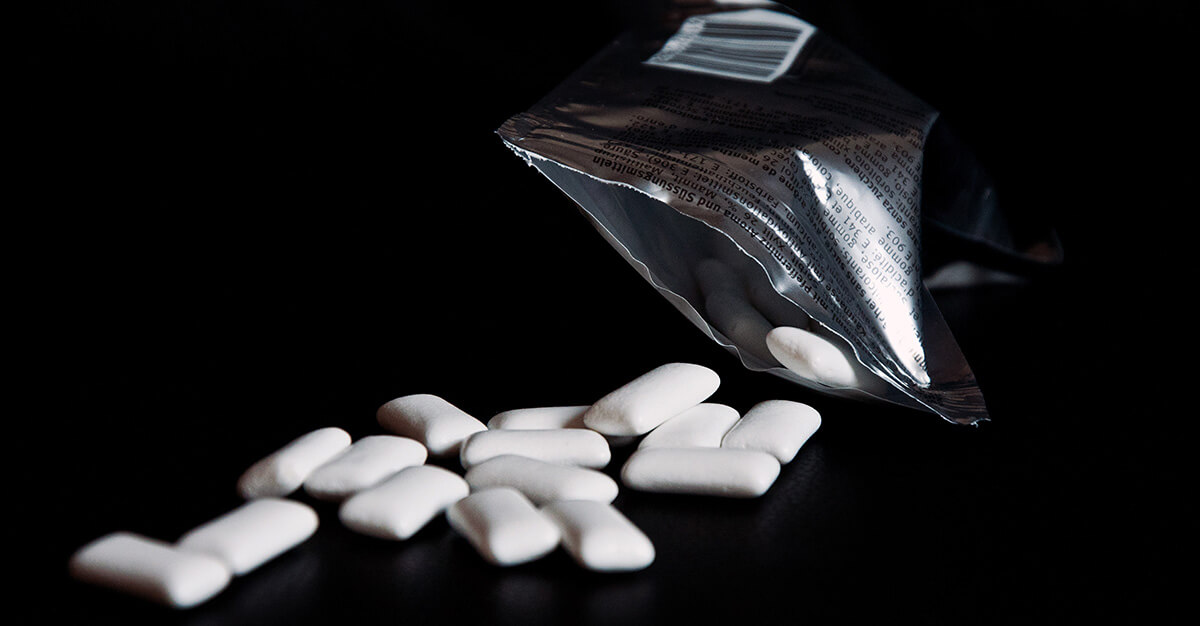
Researchers recently developed a molecular sensor that produces a flavor when it detects influenza. The study, published in ACS Central Science, envisions the sensor embedded in gum or lozenges. This would allow people to screen for flu at home with a simple taste.
Such a tool could help reduce flu transmission by alerting people who might not realize they are contagious.
How Would a Gum or Lozenge Sensor Help Reduce Flu?
Sick people staying home is crucial to stopping the flu’s spread. Yet, many become contagious before they feel any symptoms. This makes early detection a major challenge for preventing transmission.
Current flu tests have significant limits. PCR tests using nasal swabs are highly accurate but slow and costly. Lateral flow tests are quicker and more affordable, but often fail to detect infections before symptoms appear.
The study’s authors suggest their new approach could mark a breakthrough. By allowing earlier and easier flu detection, such tools could play a key role in reducing spread.
How Would the Sensor Screen for Flu Virus?
Researchers designed a molecular sensor that releases flavor when it meets influenza virus. The flavor compound, thymol, is easily detectable on the tongue.
The sensor works by mimicking part of the flu virus called neuraminidase. This glycoprotein, which makes up the “N” in strains like H1N1, helps flu viruses break down bonds on host cells. Weakened cells then become more open to infection.
To build the sensor, researchers created a neuraminidase layer and attached thymol molecules to it. When influenza viruses encounter the sensor in gum or lozenges, they detach the thymol. This mimics how the virus breaks down bonds during infection, leaving thymol free to trigger a taste signal.
How Did the Researchers Test the Flu Sensor?
The study confirmed the sensor’s effectiveness through lab tests using human saliva. Samples came from people already infected with influenza. Within 30 minutes of exposure, the sensors released thymol.
Importantly, the sensor showed no side effects on cell function in human or mouse saliva. Human clinical trials are still about two years away. These trials will test whether the sensor can release a detectable flavor both before and after symptoms appear.
If successful, the findings could lead to gum or lozenges containing the sensors. These simple tools would offer fast, accessible flu screening at home. Widespread use could lower infections and reduce flu deaths worldwide.
Conclusion
A new sensor could make flu testing faster and more accessible. Gum or lozenges with the sensor may help people detect infection early. Widespread use could reduce flu cases and save lives.
Have an upcoming trip? Passport Health offers a wide variety of options to help keep you safe from disease, including vaccines. Call or book online to schedule your appointment today.
Logan Hamilton is a health and wellness freelance writer for hire. He’s passionate about crafting crystal-clear, captivating, and credible content that elevates brands and establishes trust. When not writing, Logan can be found hiking, sticking his nose in bizarre books, or playing drums in a local rock band. Find him at loganjameshamilton.com.
 US - English
 CA - English
 Rest of World - English


Leave a Reply