
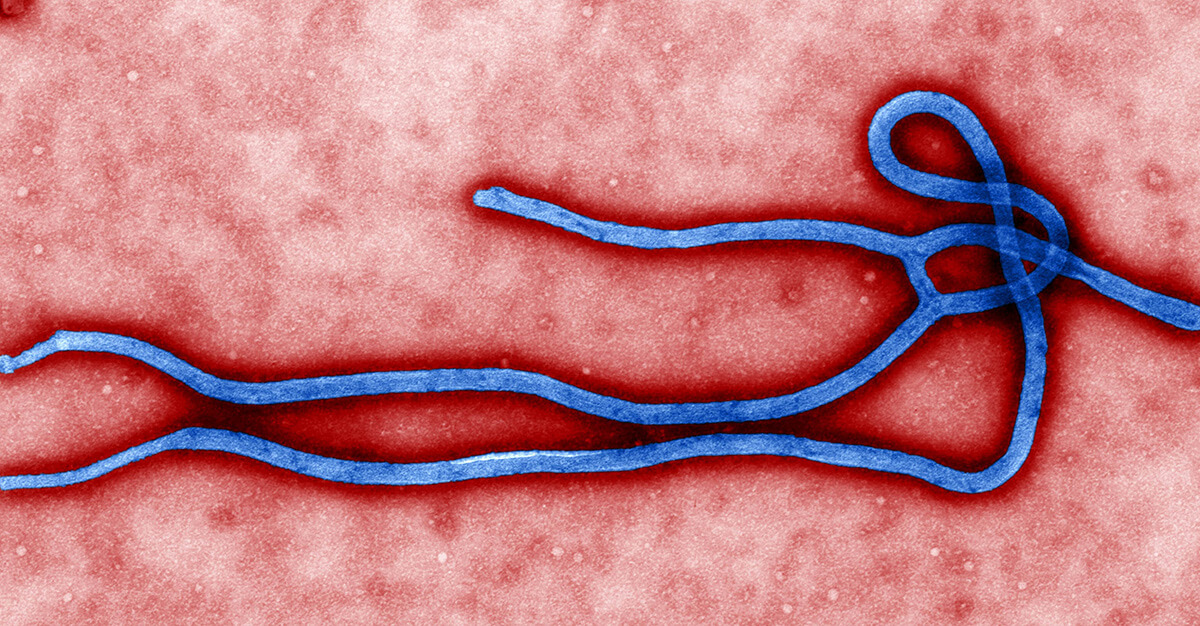
On October 19, the World Health Organization announced a major milestone. The last Ebola patient in Congo was discharged from treatment. This event marks the start of a 42-day countdown to end the outbreak. The outbreak will be declared over if no new cases appear before the deadline.
The Ebola outbreak began on September 4 in Congo’s Bulape Health District in Kasai. It caused 64 total cases, including 53 confirmed and 11 probable. The WHO reported 43 deaths in the region. Only 19 patients survived, including the final person recently discharged.
What Made the Containment of this Outbreak So Successful?
WHO Regional Director for Africa, Dr. Mohamed Janabi, praised the rapid containment. He credited cooperation, proficiency, and determination among health officials for the success. The WHO continues to monitor the area to detect any new cases.
This Ebola outbreak was the first in Kasai in 18 years. Health workers faced major challenges due to poor road conditions. The region’s remoteness made reaching patients and delivering care especially difficult.
Forty-two days marks two periods of twenty-one days. Twenty-one days is the longest incubation period for Ebola. The overall fatality rate for this outbreak reached 67.2 percent. Five healthcare workers were infected, and three of them died.
The WHO worked with the DRC Ministry of Health and several partners. Together, they built a 32-bed Ebola treatment center within days. Health workers also began a rapid vaccination campaign in the Bulape Health Zone. The effort led to 35,000 immunizations within ten days of the first case.
Vaccination efforts prioritized doctors and close contacts of infected individuals. The WHO expects to declare the outbreak over in early December. This will happen if no new confirmed cases appear during the countdown period.
This outbreak marks the second Ebola event of 2025. Earlier in the year, Uganda recorded 14 cases and four deaths. Both nations continue working to strengthen preparedness for future outbreaks.
What Do You Need to Know about Ebola?
Ebola is a severe and often fatal disease, according to the WHO. The average fatality rate for Ebola is about 50 percent. Medicines and treatments are approved only for one of three Ebola viruses.
The WHO says prevention, surveillance, and intensive care are essential interventions. Infection spreads through direct contact with blood or body fluids. Transmission can also occur through contaminated objects or surfaces. Ebola remains infectious even after a patient’s death.
People become contagious once symptoms appear. Transmission continues as long as the virus remains in the blood. Healthcare workers face high infection risk when caring for Ebola patients. The danger increases when protective measures are not strictly followed.
Common symptoms include fever, fatigue, malaise, and muscle pain. Other signs include vomiting, diarrhea, abdominal pain, and rash. Ebola can also impair kidney and liver function in severe cases.
Conclusion
The WHO declared Congo’s last Ebola patient discharged on October 19. Health workers contained the outbreak through rapid response and mass vaccination. If no new cases emerge, the outbreak will end in early December.
Continued monitoring is vital to prevent future Ebola outbreaks. Health officials plan to expand vaccination and strengthen rapid response systems. These efforts aim to improve readiness and reduce deaths in future epidemics.
Have an upcoming trip? Passport Health offers a wide variety of options to help keep you safe from disease, including vaccines. Call or book online to schedule your appointment today.
Logan Hamilton is a health and wellness freelance writer for hire. He’s passionate about crafting crystal-clear, captivating, and credible content that elevates brands and establishes trust. When not writing, Logan can be found hiking, sticking his nose in bizarre books, or playing drums in a local rock band. Find him at loganjameshamilton.com.
 US - English
 CA - English
 Rest of World - English


Leave a Reply