
Tuberculosis Tests




On This Page:
What Is Tuberculosis?
How Does Tuberculosis Spread?
Who Should Have a Tuberculosis Test and Why?
What Types of Tuberculosis Tests are Available?
Who Should Receive a Tetanus, Diphtheria or Pertussis Vaccination?
How Is Tuberculosis Treated?
Where Can I Get a Tuberculosis Test?
What Is Tuberculosis?
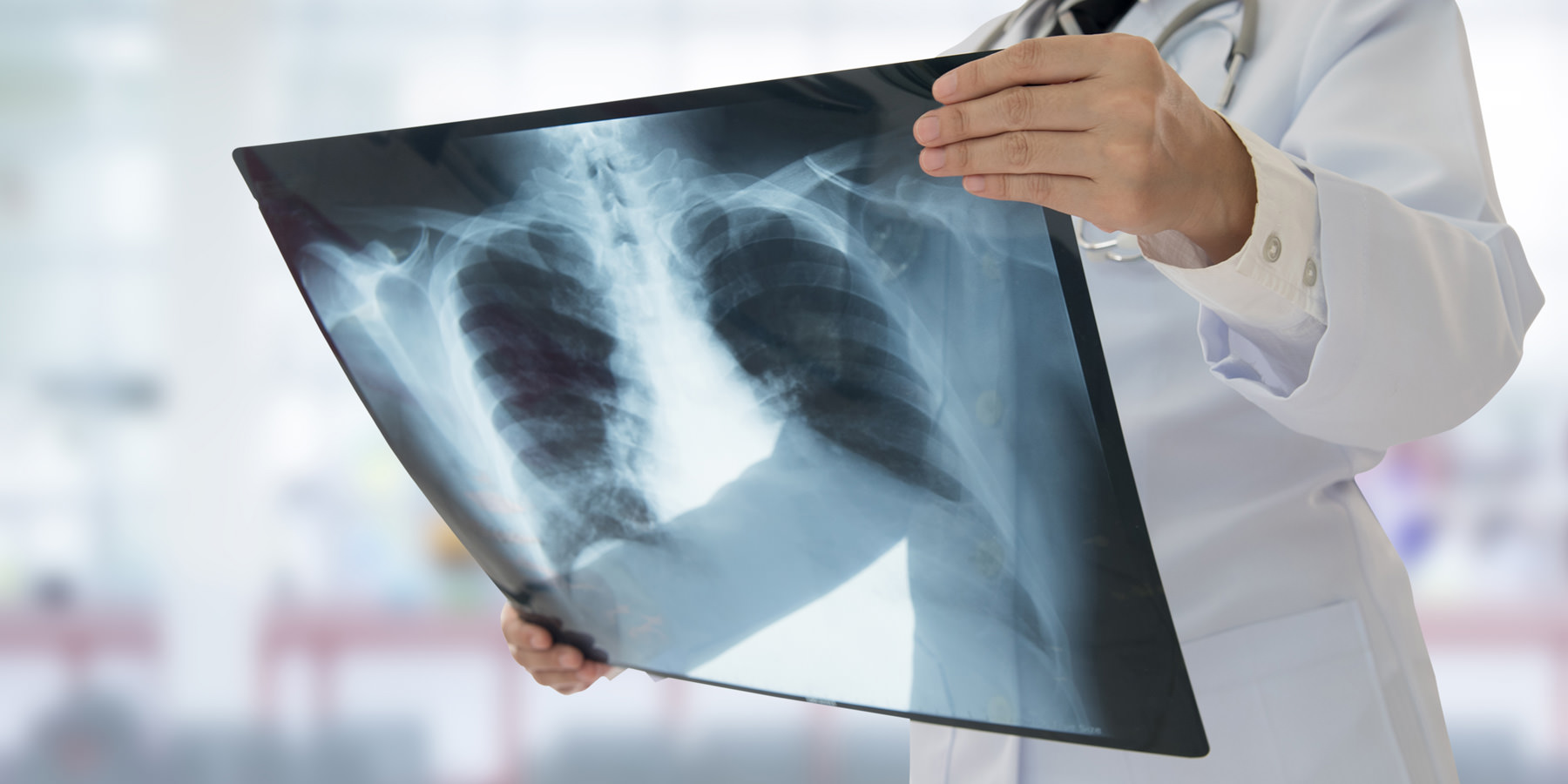
Tuberculosis, or TB, is a bacteria infection of, usually, the lungs. Not all people infected with TB become sick. Some will have latent TB which can become active.
Signs of infection are a bad cough lasting three weeks or more, chest pain and coughing up blood or sputum. More serious symptoms include weakness, weight loss, chills and fever.
If the disease spreads to other parts of the body, more serious symptoms can develop.
How Does Tuberculosis Spread?
The TB bacteria is an airborne infection. It spreads when a person infected with the disease coughs, speaks or sings. People close by may breath in the bacteria and become infected.
Tuberculosis infection cannot occur through:
- Shaking Hands
- Sharing Food or Drink
- Touching Beds or Toilet Seats
- Sharing Toothbrushes
- Kissing
Those with TB are most likely to spread the infection to people they spend time with regularly. This could be family, friends, coworkers or other close acquaintances.
Customer Reviews
Passport Health – Tuberculosis Testing
Overall rating: 5 stars – 9 reviews
★★★★★
“Easy and painless“
“I have come to this clinic a dozen times to complete vaccination series’ and TB tests for school. The clinician here is great, very friendly and accommodating. She also gives pretty painless injections- which is a bonus. The cost is cheaper than Minute Clinic type places (and I do not have insurance so I did some shopping around), overall I give it a 10!”
Submitted by: Becky
★★★★★
“Quick and efficient, as always!“
“Met with a nurse to do the PPD reading for a TB test. He was great to work with and was quick and efficient. Highly recommend Passport Health!”
Submitted by: Jon
★★★★★
“Excellent Servie“
“I went to the office for a flu shot and TB test and it was completed within 15 minutes. The nurse (forgot her name) was so pilot and friendly!!!”
Submitted by: Susan
★★★★★
“A quick in and out…“
“Even though I came a day early, the staff were exceedingly accommodating and efficient. After expressing that I needed only a TB test, they were able to process my need on the spot within 15 minutes. I will recommend Passport Health to other federal contractors with whom I work.”
Submitted by: Chris
★★★★★
“Great Experience“
“I did not have to wait at all, which was the best part!! The nurse was straight to the point but did her job thoroughly no extra stuff. All I needed was a TB test and I got in and out in 10 minutes, which is great time!”
Submitted by: Cacey
★★★★★
“Good efficient, well run“
“I like the way they are prepared for you upon arrival, considering you prefill the needed information, saving much time. Explained all of the information and health hazards expected for the region traveling to. If they did not know the answer straight away call and got the correct information and had the necessary vaccine on my return trip to read by TB test result.”
Submitted by: Leonard
★★★★★
“TB testing“
“Pat is awesome. She goes above and beyond. So glad I was referred to your facility.”
Submitted by: Carole
★★★★★
“Great, quick visit“
“Great to get in and out for a fast, efficient TB skin test today. Very easy, pleasurable experience.”
Submitted by: Jon
★★★★★
“Great Work!“
“Excellent telephone/reception service and nursing services. This was a pre-employment TB skin test. No travel.”
Submitted by: Michele
“I have come to this clinic a dozen times to complete vaccination series’ and TB tests for school. The clinician here is great, very friendly and accommodating. She also gives pretty painless injections- which is a bonus. The cost is cheaper than Minute Clinic type places (and I do not have insurance so I did some shopping around), overall I give it a 10!”
“Met with a nurse to do the PPD reading for a TB test. He was great to work with and was quick and efficient. Highly recommend Passport Health!”
“I went to the office for a flu shot and TB test and it was completed within 15 minutes. The nurse (forgot her name) was so pilot and friendly!!!”
“Even though I came a day early, the staff were exceedingly accommodating and efficient. After expressing that I needed only a TB test, they were able to process my need on the spot within 15 minutes. I will recommend Passport Health to other federal contractors with whom I work.”
“I did not have to wait at all, which was the best part!! The nurse was straight to the point but did her job thoroughly no extra stuff. All I needed was a TB test and I got in and out in 10 minutes, which is great time!”
“I like the way they are prepared for you upon arrival, considering you prefill the needed information, saving much time. Explained all of the information and health hazards expected for the region traveling to. If they did not know the answer straight away call and got the correct information and had the necessary vaccine on my return trip to read by TB test result.”
“Pat is awesome. She goes above and beyond. So glad I was referred to your facility.”
“Great to get in and out for a fast, efficient TB skin test today. Very easy, pleasurable experience.”
“Excellent telephone/reception service and nursing services. This was a pre-employment TB skin test. No travel.”
Who Should Have a Tuberculosis Test and Why?
As-needed or regular TB testing can help keep higher risk groups health. It also provides peace of mind to those who may have been exposed.
If caught early, tuberculosis can be more easily treated and keep friends family and coworkers from contracting the disease.
Those at highest risk are:
- People who spend time with someone who has TB
- People from countries with TB
- People traveling to countries with TB
- People who work in a high risk setting like in healthcare
Other groups are at an increased risk of latent TB becoming an active infection.
Testing is not needed for individuals with a low risk of infection.
What Types of Tuberculosis Tests are Available?
There are two main types of tuberculosis testing, skin and blood.
TB Skin Test – A small amount of fluid is injected into the lower arm. A healthcare worker then looks for a reaction after 48 to 72 hours. A positive result may mean active or latent TB.
TB Blood Test – A healthcare provider draws blood from the person being tested. A laboratory analyzes it for markers of tuberculosis infection.
Both tests are highly effective and provide peace of mind to those who receive them.
How Is Tuberculosis Treated?
Treatment for tuberculosis can vary based on the type being treated. For both, treatment can take six to nine months and may require different medications at different times.
Four common anti-TB medications are:
- Isoniazid
- Rifampin
- Ethambutol
- Pyrazinamide
Multidrug-resistant tuberculosis is a risk in many parts of the world. TB type and resistance may lead to use of other medications designed for these strains. Speak with a healthcare professional to learn more.
Where Can I Get a Tuberculosis Test?
TB testing for individuals, travelers, groups and businesses are available through Passport Health. Call or book online now to make an appointment today!
 US - English
 CA - English
 Rest of World - English


